
Introduction
Mining is the backbone of industries such as construction, steel manufacturing, power generation, and infrastructure development. The method used to extract minerals depends on the location, depth, geological conditions, economic feasibility, and environmental considerations. The two primary mining methods are Open Cast Mining (also known as Open Pit Mining) and Underground Mining.
Understanding the differences between these methods helps mining companies choose the most efficient, safe, and cost-effective approach for mineral extraction.
What is Open Cast Mining?
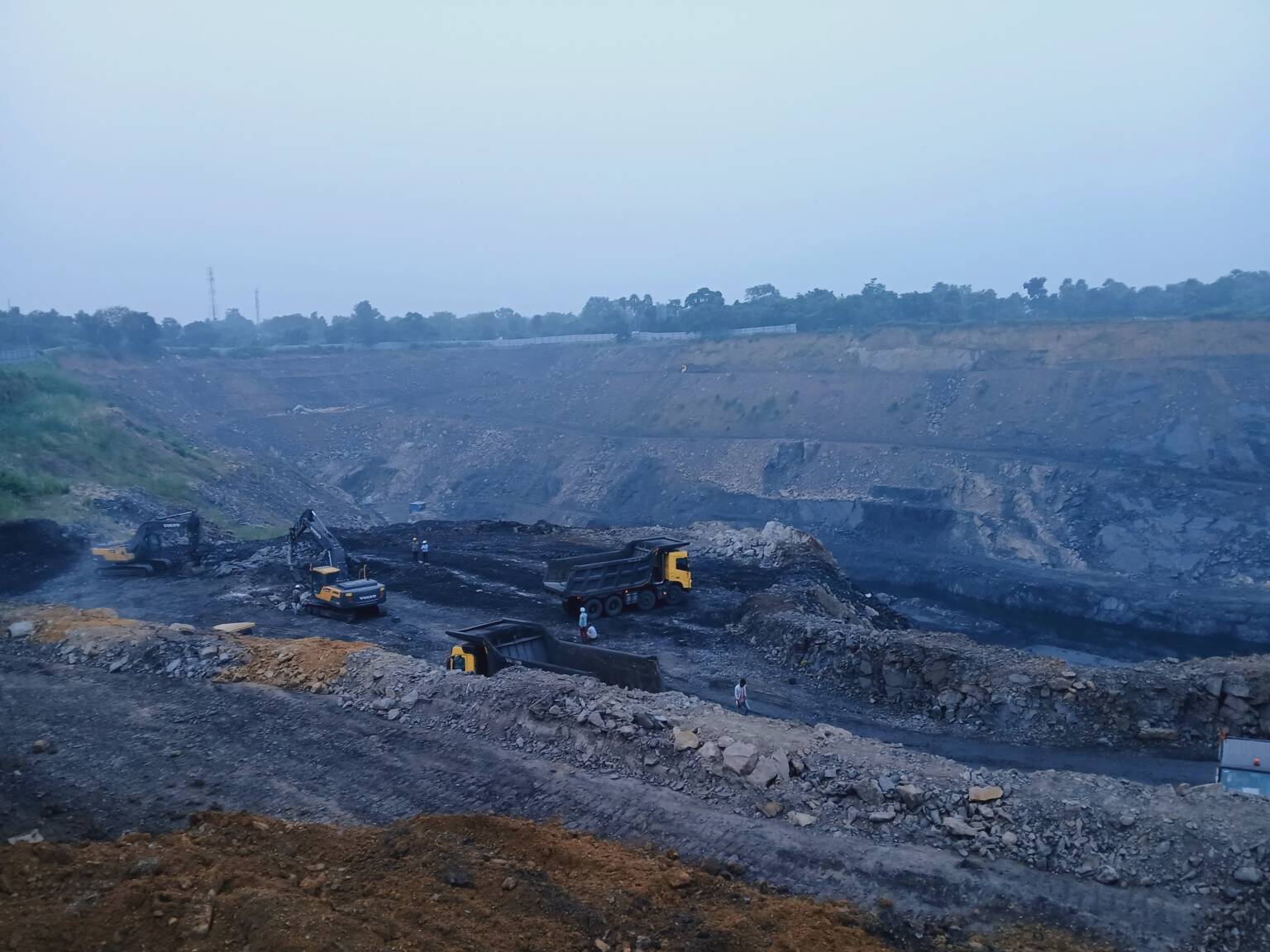
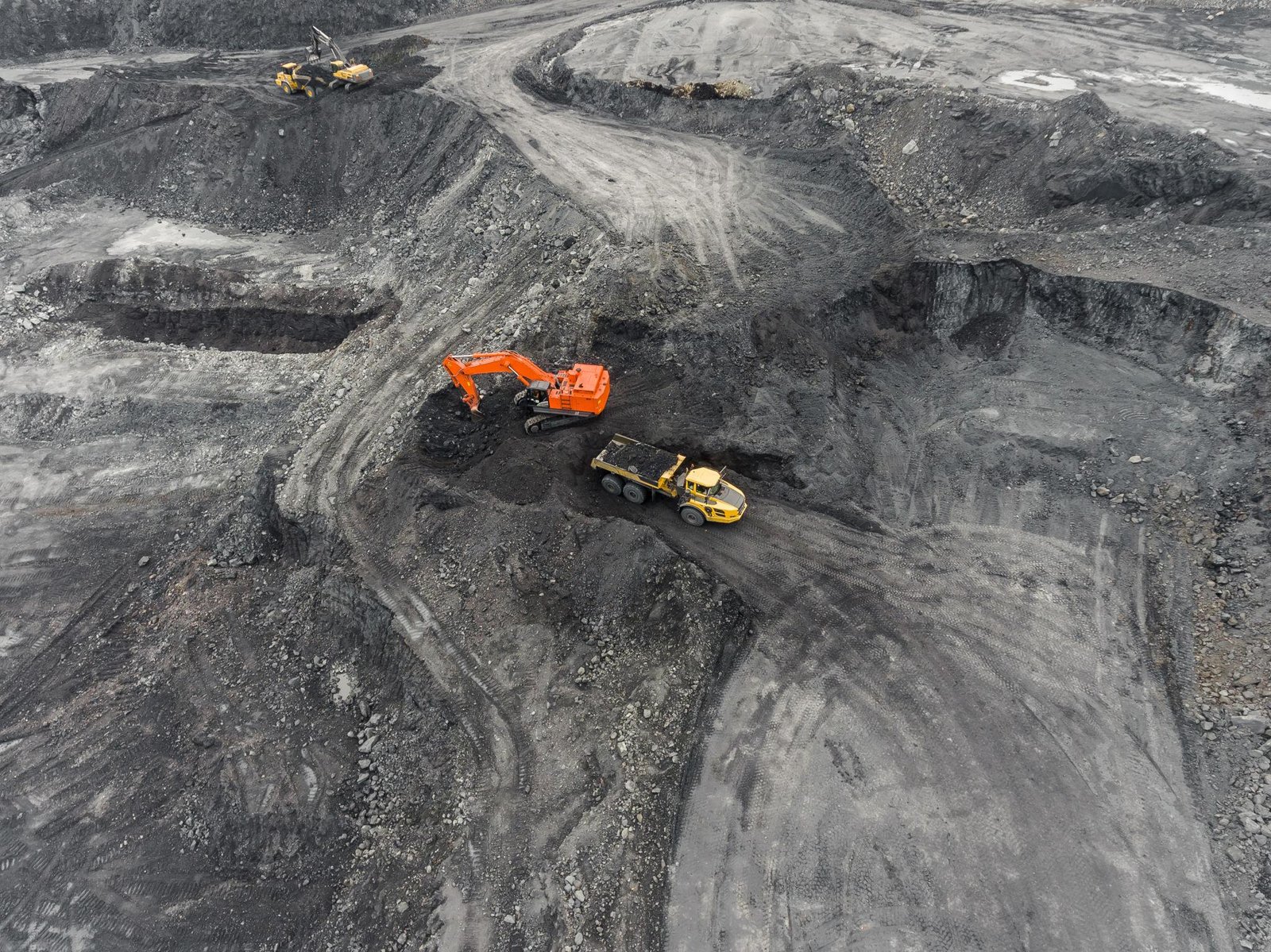
Open Cast Mining is a surface mining method where minerals are extracted by removing the overburden (soil and rock) covering the mineral deposit. Large benches are created, allowing heavy machinery to access the ore directly.
This method is commonly used when mineral deposits are located close to the Earth's surface.
Common Minerals Extracted
- Coal
- Iron Ore
- Limestone
- Bauxite
- Copper
- Phosphate
Equipment Used
- Hydraulic Excavators
- Dump Trucks
- Dozers
- Wheel Loaders
- Motor Graders
- Surface Drills
- Water Tankers
- Crushing Plants
Advantages
- Lower production cost
- High production capacity
- Easier equipment movement
- Better worker visibility
- Safer working conditions compared to deep underground mines
- Suitable for large-scale operations
Disadvantages
- Large land disturbance
- Dust and noise generation
- Greater environmental impact
- Limited to shallow deposits
- Higher waste rock removal
What is Underground Mining?
Underground Mining is used when mineral deposits are located deep beneath the Earth's surface. Access is provided through shafts, declines, or tunnels, allowing miners and equipment to reach the ore body.
Common Minerals Extracted
- Gold
- Zinc
- Lead
- Copper
- Diamonds
- Nickel
- Deep Coal Deposits
Equipment Used
- Continuous Miners
- Load-Haul-Dump (LHD) Machines
- Underground Trucks
- Roof Bolters
- Drilling Jumbos
- Shuttle Cars
- Ventilation Systems
- Conveyor Belts
Advantages
- Smaller surface footprint
- Less impact on surrounding landscapes
- Access to deep mineral deposits
- Reduced waste removal
- Better preservation of agricultural land
Disadvantages
- Higher operating costs
- Complex ventilation requirements
- Greater safety risks
- Slower production rates
- Higher maintenance costs
- More challenging emergency response
Open Cast Mining vs Underground Mining
| FeatureOpen Cast MiningUnderground Mining | ||
| Mining Location | Surface | Below ground |
| Initial Investment | Moderate | High |
| Operating Cost | Lower | Higher |
| Production Rate | High | Moderate |
| Worker Safety | Generally higher | More challenging |
| Environmental Impact | High surface disturbance | Lower surface disturbance |
| Ore Recovery | High | Moderate to High |
| Machinery Size | Large equipment | Compact specialized equipment |
| Ventilation | Minimal | Essential |
| Accessibility | Easy | Difficult |
| Maintenance | Easier | More complex |
Safety Considerations
Open Cast Mining
- Bench stability monitoring
- Controlled blasting
- Dust suppression systems
- Traffic management for haul roads
- Slope monitoring
- Regular equipment inspections
Underground Mining
- Ventilation management
- Ground support systems
- Gas detection
- Emergency evacuation plans
- Fire prevention
- Continuous monitoring of tunnel stability
Environmental Impact
Open Cast Mining
- Land excavation
- Dust emissions
- Noise pollution
- Habitat disturbance
- Water management challenges
- Progressive mine reclamation and rehabilitation are important to reduce long-term impacts.
Underground Mining
- Reduced surface disturbance
- Lower visual impact
- Potential groundwater effects
- Risk of ground subsidence in some geological conditions
- Careful waste management and monitoring remain essential.
Cost Comparison
Open Cast Mining generally offers a lower cost per tonne because it uses large-scale equipment and simpler access to the ore body. Underground Mining typically has higher costs due to tunneling, ventilation, specialized machinery, and more complex safety systems.
Which Mining Method is Better?
Neither method is universally better; the right choice depends on:
- Depth of the mineral deposit
- Geological conditions
- Ore grade
- Environmental and regulatory requirements
- Production targets
- Available budget
- Long-term mine planning
For shallow, extensive deposits, Open Cast Mining is often the more economical option. For deep, high-value deposits, Underground Mining may be the only practical and economically viable method.
Conclusion
Both Open Cast and Underground Mining play vital roles in meeting global demand for minerals. Open Cast Mining is typically preferred for its high productivity and lower operating costs when deposits are near the surface, while Underground Mining enables access to valuable deep-seated resources with a smaller surface footprint. Selecting the appropriate method requires balancing safety, economics, environmental responsibility, and the characteristics of the mineral deposit.